




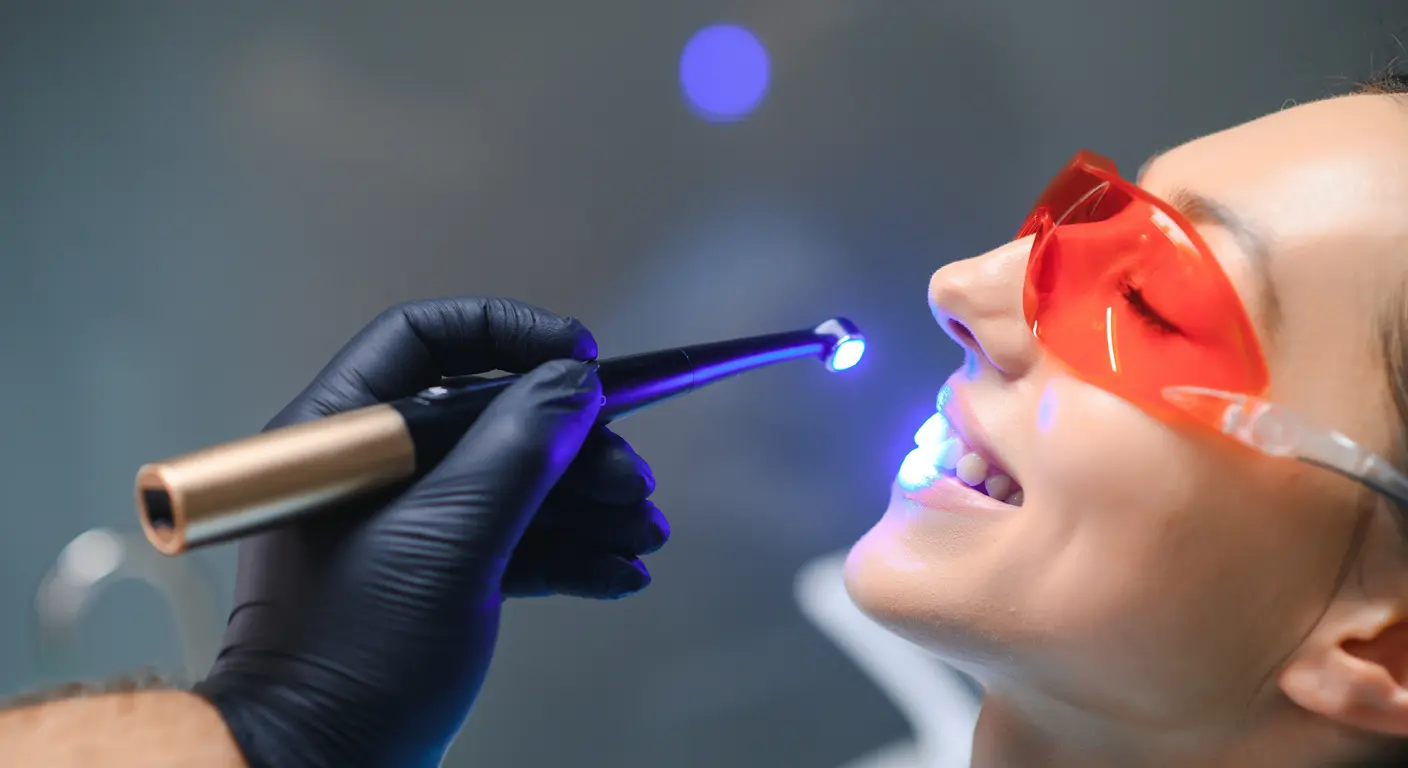
Teeth whitening is one of the most popular cosmetic dental treatments for achieving a brighter, more confident smile. But before starting any whitening treatment, many patients ask the same important question: Is teeth whitening actually safe?
When performed correctly and on healthy teeth and gums, professional teeth whitening is generally considered a safe and effective cosmetic treatment. However, the results and potential side effects can vary depending on the whitening method, the products used and the condition of your teeth and gums.
Understanding how teeth whitening works and what to expect can help you make a more informed decision before starting treatment.
How Does Teeth Whitening Work?
Teeth whitening works by using bleaching agents, most commonly hydrogen peroxide or carbamide peroxide, to break down compounds responsible for tooth discoloration. These ingredients can lighten stains within the tooth structure and improve the overall appearance of natural teeth.
Whitening can be used to address discoloration caused by:
- Coffee and tea
- Red wine
- Smoking
- Age-related discoloration
- Certain foods and drinks
- Some types of intrinsic staining
However, whitening does not change the colour of dental restorations such as crowns, veneers, bridges or implants. Only natural tooth structure responds to conventional external whitening.
Is Teeth Whitening Safe?
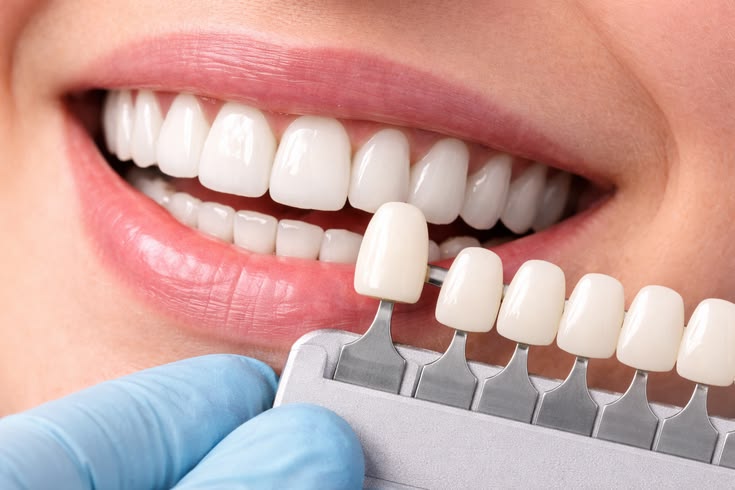
For most patients with healthy teeth and gums, professional teeth whitening is considered safe when used correctly.
The most common side effects are temporary tooth sensitivity and gum irritation. These effects are generally mild and temporary, although sensitivity can be more noticeable with stronger bleaching agents or prolonged exposure.
This is why a dental examination before whitening is important. Your dentist can check for cavities, gum problems, existing sensitivity, cracks or other conditions that could make whitening uncomfortable or unsuitable.
What Are the Most Common Side Effects?
Tooth Sensitivity
Temporary sensitivity is one of the most common side effects of teeth whitening.
You may notice sensitivity when consuming:
- Cold drinks
- Hot drinks
- Sweet foods
- Very acidic foods or drinks
The sensitivity usually resolves after the whitening treatment is completed. If sensitivity is severe or persists, you should contact your dentist.
Gum Irritation
Whitening gel can irritate the gums if it comes into direct contact with the soft tissues for too long.
Professional whitening treatments use protective barriers and carefully controlled application techniques to reduce this risk. Poorly fitting trays or incorrect application of whitening products can increase the chance of gum irritation.
Temporary White Spots on the Gums
Some patients may notice temporary white patches on their gums after whitening. These can occur when whitening gel comes into contact with the gum tissue and generally disappear within a short period.
If you experience significant discomfort or irritation, speak with your dentist.
Is Professional Teeth Whitening Safer Than DIY Whitening?
Professional whitening provides an important advantage: the treatment is planned and supervised by a dental professional.
Before treatment, your dentist can evaluate your oral health and determine whether whitening is appropriate for you. Dentist-supervised whitening can include in-office treatment or custom-made trays for use at home.
DIY whitening methods promoted online, including acidic fruits, vinegar or abrasive substances such as charcoal, are not recommended as reliable whitening solutions. Evidence for their effectiveness and safety is limited, and some abrasive methods may damage the tooth surface.
In-Office Whitening vs. At-Home Whitening
There are several ways to whiten teeth, but two common professional approaches are in-office whitening and dentist-supervised at-home whitening.
| Feature | In-Office Whitening | At-Home Whitening |
|---|---|---|
| Supervision | Performed by a dental professional | Dentist-supervised |
| Treatment time | Usually shorter | Usually takes longer |
| Whitening agent | Professional-strength | Lower concentration |
| Custom trays | Not usually required | Custom trays may be used |
| Results | Faster | Gradual |
| Sensitivity | Possible | Possible |
In-office whitening can provide faster visible results, while dentist-supervised home whitening allows patients to whiten their teeth gradually using custom-made trays.
Who Should Avoid Teeth Whitening?
Teeth whitening is not suitable for everyone.
A dentist may recommend postponing or avoiding whitening if you have:
- Untreated cavities
- Active gum disease
- Significant tooth sensitivity
- Certain cracks or damaged teeth
- Poor oral health
- Certain types of severe intrinsic discoloration
Teeth whitening is also generally not recommended for children and may not be appropriate during pregnancy or breastfeeding.
A dental examination allows your dentist to identify these concerns before treatment begins.
Can Whitening Damage Your Enamel?
When used appropriately, professional whitening is designed to brighten teeth without causing permanent damage to healthy enamel.
However, overuse or incorrect application of whitening products can increase the risk of sensitivity, gum irritation and changes to the tooth surface. Frequent or aggressive whitening is therefore not recommended.
Following the treatment schedule recommended by your dentist is important for both safety and predictable results.
Can Whitening Damage Crowns or Veneers?
Conventional teeth whitening works on natural teeth, not tooth-coloured restorations.
This means that crowns, veneers, bridges and implants will generally not become whiter during conventional external whitening. If you have existing restorations, whitening may therefore create a difference in colour between your natural teeth and restorations.
For this reason, your dentist should evaluate your existing restorations before whitening, particularly if you are considering replacing or adding cosmetic restorations afterward.
How Long Do Whitening Results Last?
Teeth whitening is not permanent.
The duration of the results depends on factors such as:
- Diet
- Smoking
- Oral hygiene
- Coffee and tea consumption
- Red wine and other staining foods
- Natural ageing
Maintaining good oral hygiene and attending regular dental check-ups can help preserve your results. The NHS notes that whitening effects may last around three years when patients follow their dentist’s advice, although results vary between individuals.
How Can You Maintain Whiter Teeth?
After whitening, you can help maintain your results by:
- Brushing twice a day
- Flossing regularly
- Attending routine dental cleanings
- Limiting strongly staining foods and drinks
- Avoiding smoking
- Following your dentist’s maintenance recommendations
Coffee, tea, red wine and tobacco can contribute to new surface staining over time.
Is Teeth Whitening Right for You?
Teeth whitening can be an effective option if your main concern is tooth discoloration and your natural teeth and gums are healthy.
However, whitening is not a solution for every type of discoloration. Some stains may respond differently to bleaching, and restorations such as crowns and veneers will not change colour.
A dental consultation can help determine the cause of your discoloration and whether whitening is an appropriate option for you.
Teeth Whitening at Health Medical Center
At Health Medical Center in Tirana, teeth whitening begins with an assessment of your teeth and gums to determine whether the treatment is suitable for your smile.
Our dental team can evaluate the cause of discoloration, existing restorations, tooth sensitivity and overall oral health before recommending the most appropriate whitening approach.
The goal is not simply to achieve a whiter smile, but to do so while prioritising your dental health, comfort and a natural-looking result.
Frequently Asked Questions
Is teeth whitening painful?
Teeth whitening is generally not painful, but some patients may experience temporary tooth sensitivity or gum irritation. These side effects usually resolve after treatment.
How often can I whiten my teeth?
The appropriate frequency depends on your teeth, the whitening method and the products used. It is best to follow a dentist’s recommended treatment and maintenance schedule rather than whitening excessively.
Can I whiten sensitive teeth?
Patients with existing sensitivity should consult their dentist before whitening. Your dentist can assess the cause of the sensitivity and determine whether whitening is appropriate.
Does teeth whitening damage enamel?
Professional whitening used according to dental guidance is generally considered safe. However, excessive or incorrect use can increase the risk of sensitivity, gum irritation and changes to the tooth surface.
Can crowns and veneers be whitened?
No. Conventional external whitening only changes the colour of natural teeth. Existing crowns and veneers generally do not change colour with whitening treatments.
Final Thoughts
So, is teeth whitening safe? For most patients with healthy teeth and gums, professional teeth whitening is generally considered a safe cosmetic treatment when performed correctly.
The key is to avoid excessive or unsupervised use and to have your teeth and gums assessed before treatment.
Book a consultation with Health Medical Center to find out whether teeth whitening is suitable for your smile.