Custom-made zirconia crowns with exceptional strength. Ideal for old teeth, heavily damaged teeth and implant restorations.
A metal-free crown that's as strong as it is natural-looking, with no dark line at the gum to give it away.

 1000+ Google reviews

 Excellent on Trustpilot
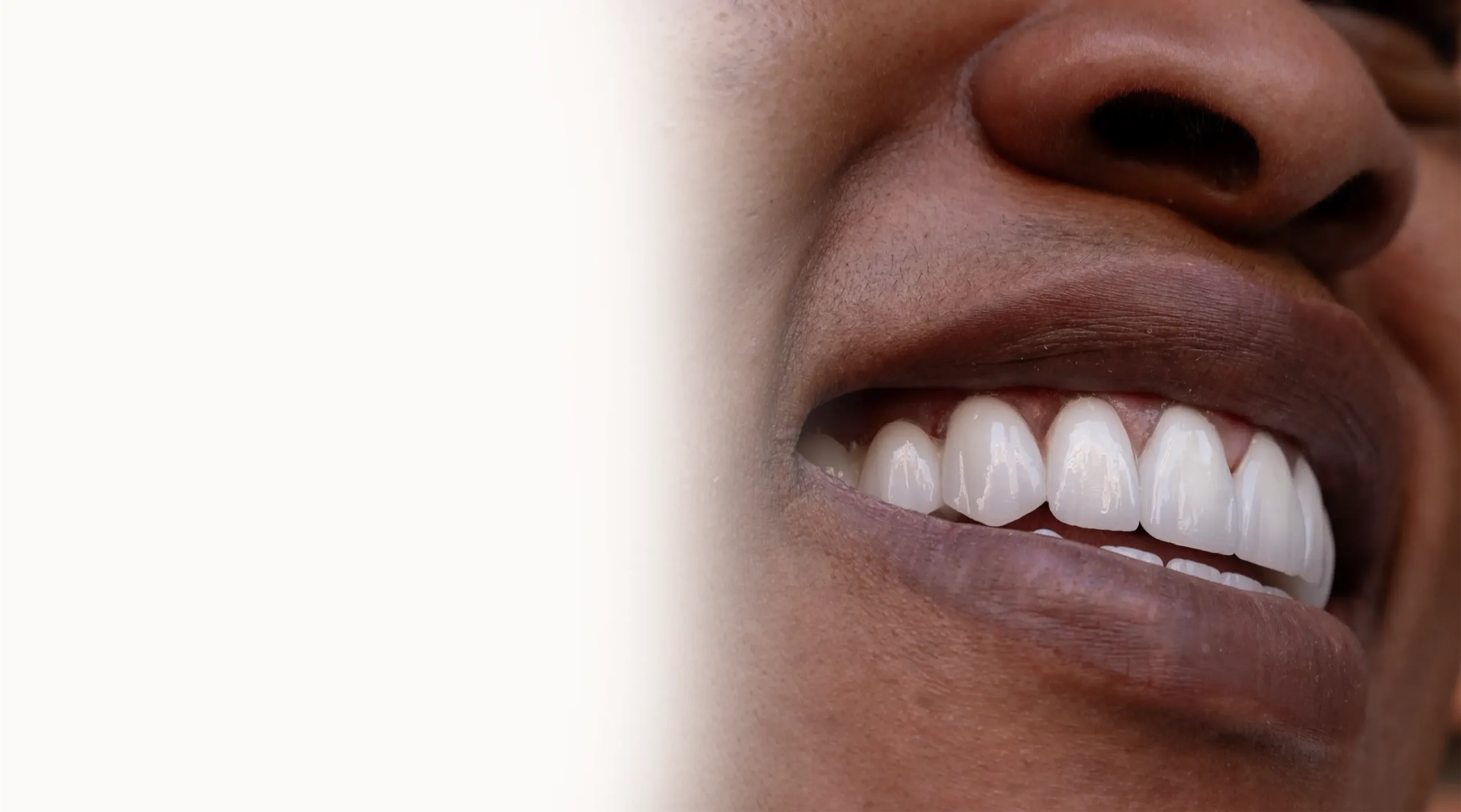
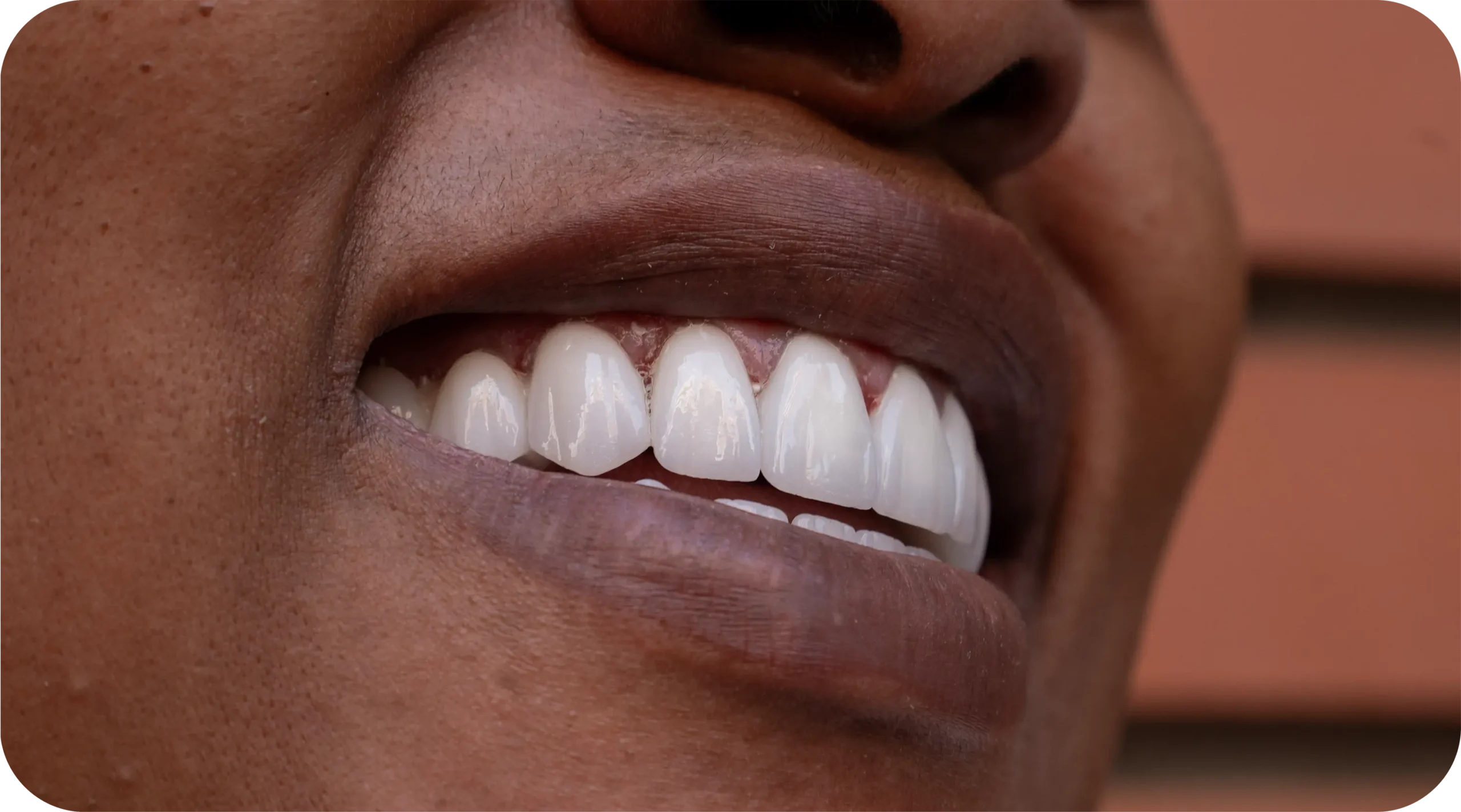
A crown does two jobs at once. It has to protect a tooth that can no longer protect itself, and it has to look like it was always there. For most of dental history those two goals pulled against each other — the strongest crowns had a metal core, and metal has a way of announcing itself, as a slightly opaque tooth or a dark line at the gum that appears a few years in.
Zirconia resolves that tension. It is a ceramic strong enough for molars, with no metal anywhere in the restoration, which means light passes through it in a way that reads as a tooth rather than a repair.
At Health Medical Center in Tirana, international patients complete zirconia crown treatment in 4–7 days, using ceramics from Zirkonzahn, at a cost well below equivalent private treatment in Western Europe.
A crown is a cap that covers the whole visible part of a tooth, restoring its shape, strength, and function. Zirconia crowns are made from zirconium dioxide — a ceramic originally developed for demanding engineering applications, and now one of the most reliable materials available in restorative dentistry.
What makes it useful in the mouth is a rare combination. Zirconia is exceptionally resistant to fracture and wear, so it stands up to the forces of the back teeth where crowns take the heaviest load. It is also entirely metal-free, so it stays biocompatible, doesn't conduct temperature the way metal does, and won't ever produce the grey shadow at the gum line that older metal-based crowns are known for.
Modern zirconia is also far more translucent than early generations of the material. Where the first zirconia crowns could look slightly flat, today's high-translucency zirconia transmits light much closer to the way enamel does — which is why it now works as well on front teeth as it always did on molars.
A crown is the answer when a tooth needs full coverage rather than partial repair:
Not every tooth that looks damaged needs a crown. Where enough healthy structure remains, a filling, an inlay, or a veneer preserves more of your own tooth and is the better option. We'll tell you which category your tooth falls into at consultation — the answer depends on how much sound structure is left, and that's something we assess rather than assume.
Three materials cover most crown cases, and each has situations where it's the strongest choice.
Zirconia is the most versatile. Its strength makes it the default for molars and premolars, for anyone who grinds, and for long bridges where the restoration has to span a gap. Being metal-free, it also keeps the gum line clean-looking over the long term. For most patients, most of the time, this is the material we recommend.
Porcelain fused to metal is the traditional option and still performs reliably. It carries a metal substructure, which brings the strength but also the two familiar trade-offs: reduced translucency, and the possibility of a dark margin appearing at the gum as tissue recedes over the years.
E.max lithium disilicate has outstanding optical properties and is often the best choice for single front teeth, where matching a natural neighbour is the hardest thing to get right. It's less suited to the heaviest load-bearing positions than zirconia.
In practice a treatment plan often uses more than one material — zirconia through the back of the mouth, E.max where translucency matters most at the front. Your plan will state which material goes on which tooth and why.
Remote assessment. Send photographs and any recent X-ray. Our clinical team reviews your case and returns a preliminary plan — how many crowns, which materials, and an indicative cost. Free, and with no obligation.
Examination and planning. On arrival in Tirana you have a full clinical examination, a 3D scan, and a gum and bite assessment. This is where we confirm which teeth need crowns and whether anything — a root canal, a filling, hygiene treatment — needs doing first. We adjust the remote plan against what we actually find and agree it with you before starting.
Preparation. The tooth is prepared under local anaesthetic: decay and any failing old restoration are removed, and the tooth is shaped to receive the crown. We then take detailed measurements along with the shade agreed with you, and send them to the laboratory. Because your crowns are made and fitted within the same short visit, there's no drawn-out waiting period between preparation and the finished result.
Fabrication. Your crowns are produced to those measurements from Zirkonzahn zirconia and finished with the surface texture and shade variation that make ceramic read as natural rather than uniform.
Fitting. Crowns are tried in so fit, shade, and contour can be checked before final cementation. Once you're happy, they're bonded and the bite is adjusted so everything closes comfortably — a step that matters more than patients expect, because a crown even slightly high changes how the whole jaw meets.
Most cases are complete within 4–7 days in Tirana.
Proximity. Tirana International Airport takes direct flights from Milan, Rome, Bologna, Venice, London, Dublin, Madrid, Barcelona, Paris, Athens, and much of Central Europe — typically 1.5 to 2.5 hours. Short enough that a follow-up visit is never a major undertaking.
Ease of entry. EU, UK, and US citizens travel to Albania without a visa.
Cost. Crown treatment in London, Dublin, or Milan is expensive enough that patients routinely postpone it, which is how a cracked tooth becomes an extraction. In Tirana the same treatment, in the same materials, costs considerably less — because local operating costs are lower, not because of what goes into your mouth.
A city worth the trip. Tirana is compact, safe, and affordable, with the coast under two hours away. The days between appointments are yours.
Zirkonzahn ceramics. Our zirconia comes from Zirkonzahn, the manufacturer based in South Tyrol, northern Italy, whose zirconia systems are among the most respected in the industry. For veneers and E.max work we use Ivoclar Vivadent. These are the same materials used in clinics in Zurich, Munich, and Milan.
The right material on the right tooth. Zirconia, E.max, and porcelain-metal each have positions where they perform best. Your plan says which goes where, and why.
Conservative treatment. Where a tooth can be saved with something less than a crown, we'll tell you.
Written, unit-by-unit quotations. You know how many crowns, in what material, at what price, before you fly — and the quotation doesn't change once you're in the chair.
Support in your language. Our team works in English, Italian, Spanish, French, and Greek.
Aftercare. You leave with written care instructions, and a direct contact number stays open to you afterwards — if anything comes up once you're home, you can reach us.
Zirconia is among the most durable materials in dentistry, and crowns commonly last 10–15 years or considerably longer. Because the material itself is so fracture-resistant, longevity usually comes down to the health of the tooth and gum underneath rather than the crown on top.
What protects that foundation is straightforward: daily brushing and interdental cleaning, particularly along the crown margin where it meets the gum; regular hygiene appointments; a night guard if you grind; and not using your teeth as tools.
Zirconia doesn't stain, so the crown will hold its colour indefinitely. Worth knowing if you're crowning front teeth: natural teeth continue to change shade over the years while the crown stays exactly as made, so if you're considering whitening, do it before the crown is matched rather than after.
Zirconia is a highly durable ceramic that's precision-shaped to fit your tooth and shaded to match your natural teeth. Unlike porcelain-fused-to-metal crowns, it contains no metal substructure at all — the crown is ceramic through and through, which is what gives it a more translucent, natural appearance and removes any risk of a dark line showing at the gum edge as gums recede over time.
That combination of strength and metal-free biocompatibility is why zirconia has become a popular premium choice for crowns anywhere in the mouth, including highly visible front teeth and back teeth that take the full force of chewing.
At HMC, zirconia crowns are made using Zirkonzahn zirconia, an established material in ceramic dental restorations.
Metal-Free, Fully Biocompatible. Zirconia contains no metal at all, which some patients specifically prefer for allergy reasons or simply for a completely natural-looking result at the gumline.
Zirconia is metal-free by design - here's how it compares to the main alternative:
A completely metal-free ceramic, milled and shaded to match your natural teeth, valued for its strength and translucency.
A lower-cost option with a metal substructure - worth considering where translucency matters less (see our Porcelain-Metal Crowns page).
Zirconia is worth considering whenever the appearance of the crown matters as much as its strength. You may be a good candidate if you:
Zirconia is an excellent all-round choice, though for molars taking very heavy bite force we'll confirm the recommended thickness is achievable for your specific tooth.
A zirconia crown takes two visits within a 5-6 day trip to Tirana. In between, your crown is shaped from solid zirconia to fit the exact impression or digital scan taken of your prepared tooth.
Your dentist examines your teeth, gums and bite to determine whether zirconia crowns are the right option. A 3D scan is taken where it helps, along with any imaging needed to assess the tooth below the surface.
Your treatment is planned around the condition of your teeth, your functional needs and your aesthetic goals. We confirm which teeth need crowns, which material suits each one, and agree the shape and shade with you befo
The tooth is prepared under local anaesthetic. Decay and any failing older restoration are removed, and the tooth is shaped to receive the crown — preserving as much healthy structure as possible.
Detailed measurements go to the laboratory with your agreed shade. Your crowns are made from Zirkonzahn zirconia and finished with the texture and shade variation that make ceramic look natural.
Your dentist checks fit, shape, colour and contour against the surrounding teeth. Once you are happy with the result, the crown is permanently bonded to the tooth.
Your bite is assessed, refined and the crown polished. It matters more than patients expect: a crown even slightly high changes how the whole jaw closes.
Zirconia is milled to a precise digital fit and shaded to match your surrounding teeth, giving a result that's both stronger and more natural-looking than older crown materials.
Hover over the image to reveal the result. Use the arrows or dots to browse cases.
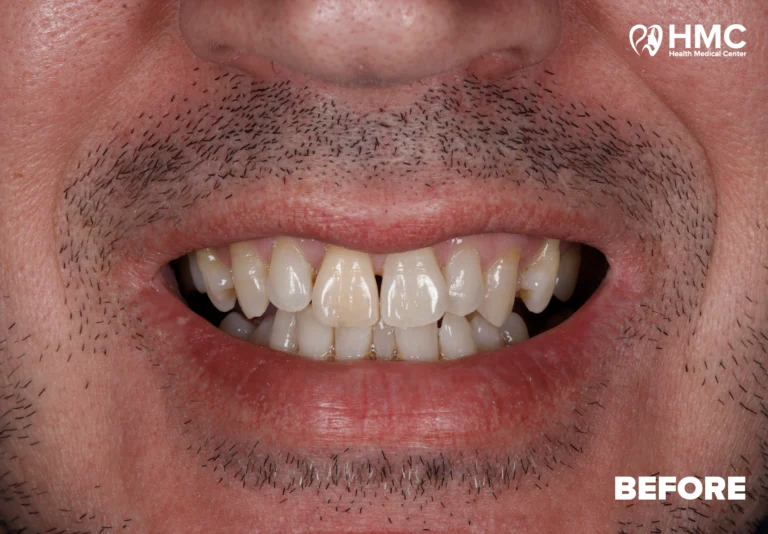
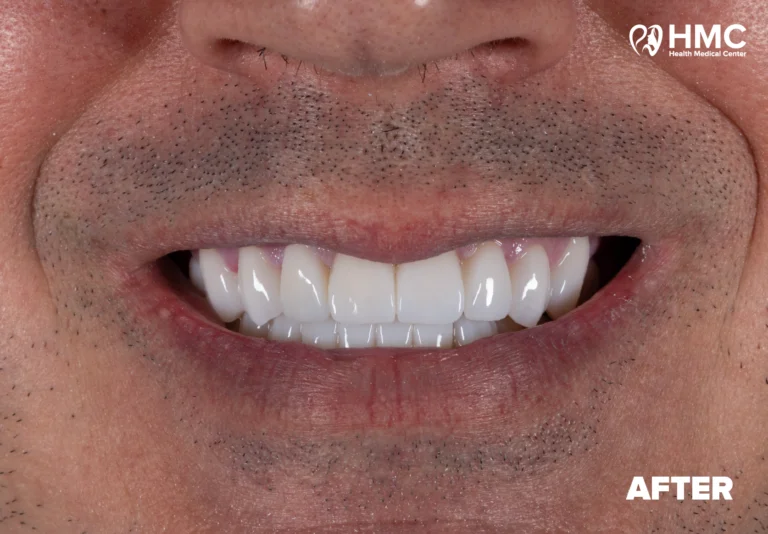
Zirconia Crowns - Frontal Smile View
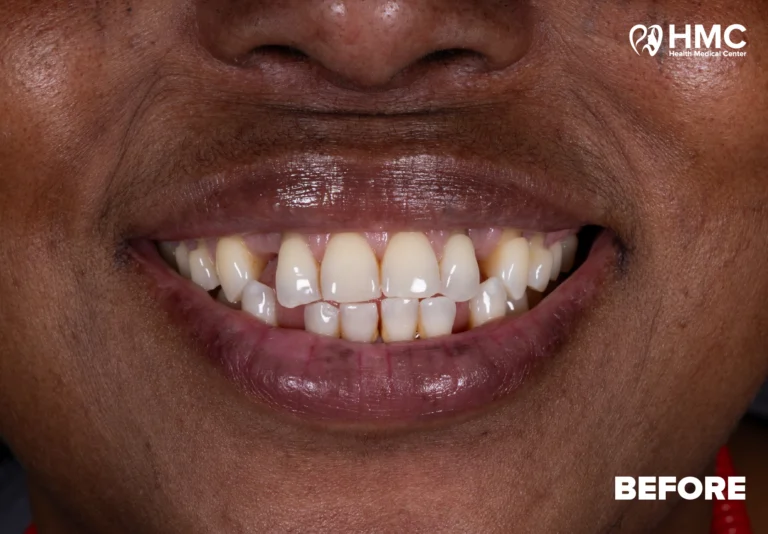
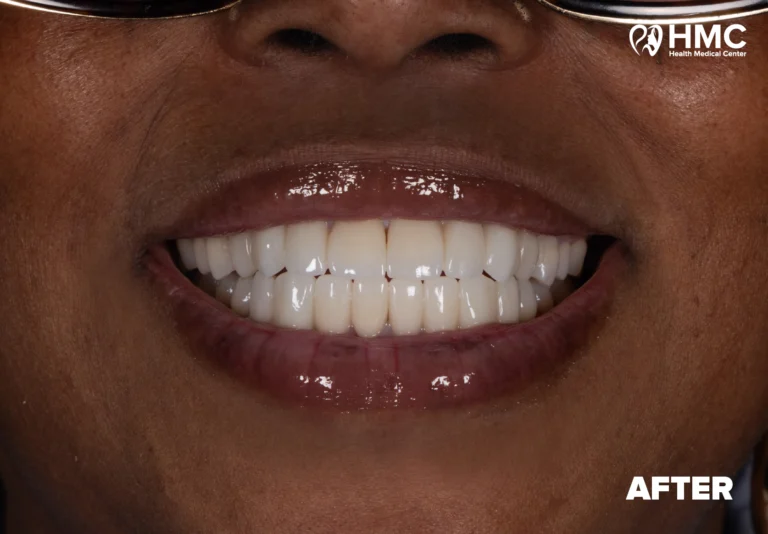
Zirconia Crowns - Smile View
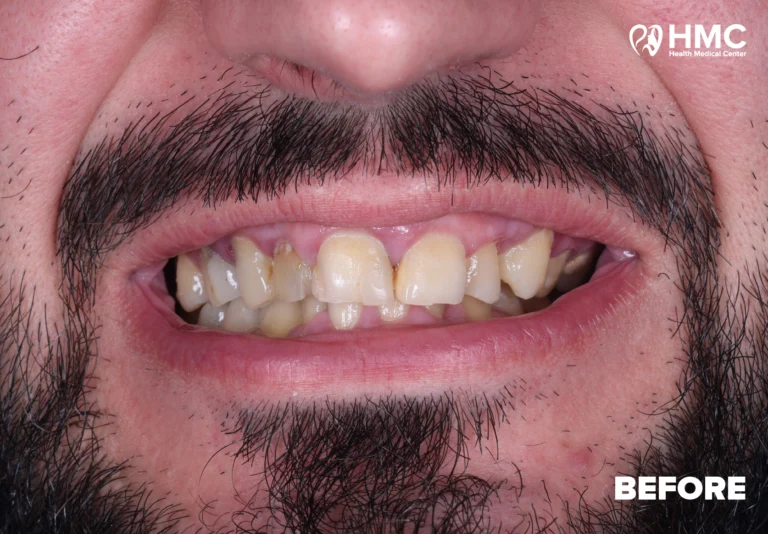
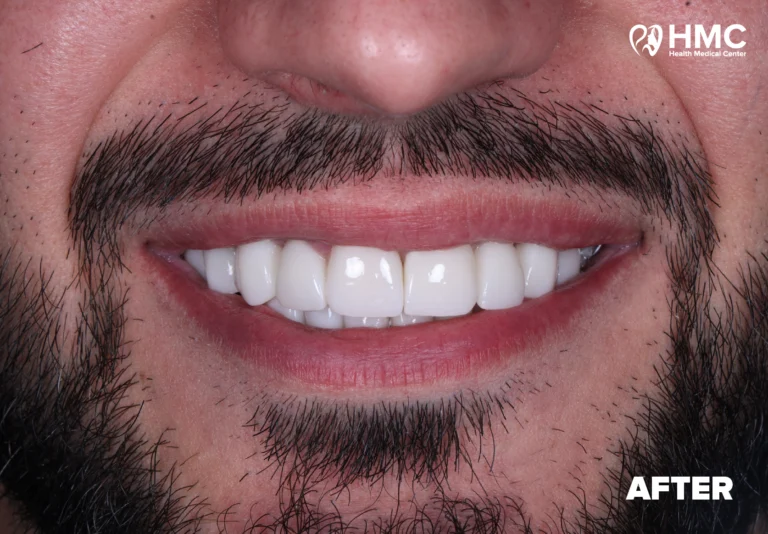
New Smile with Zirconia Crowns
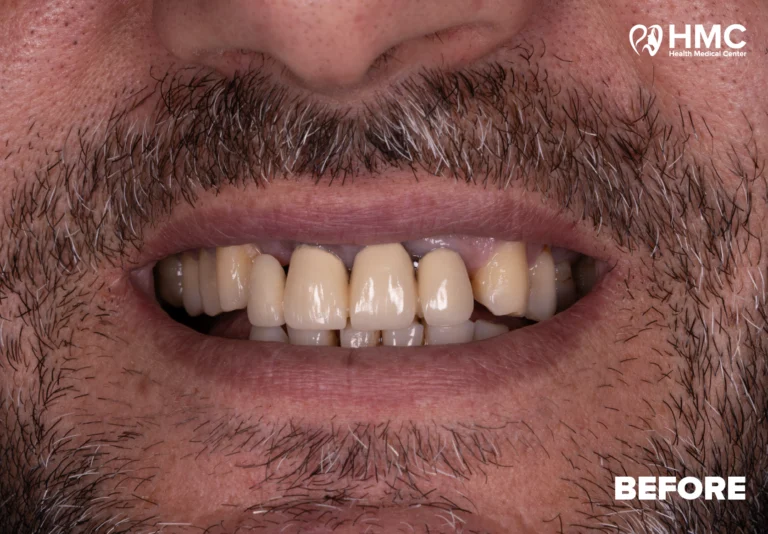
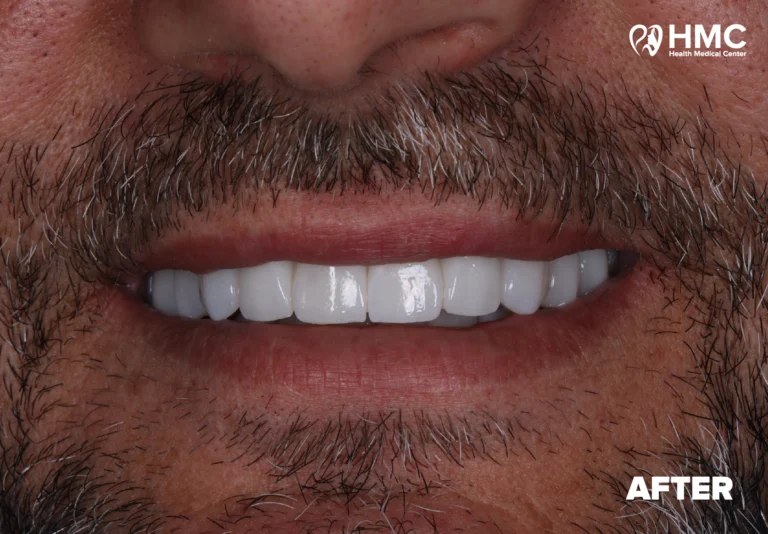
Zirconia Crown - Complete Smile View
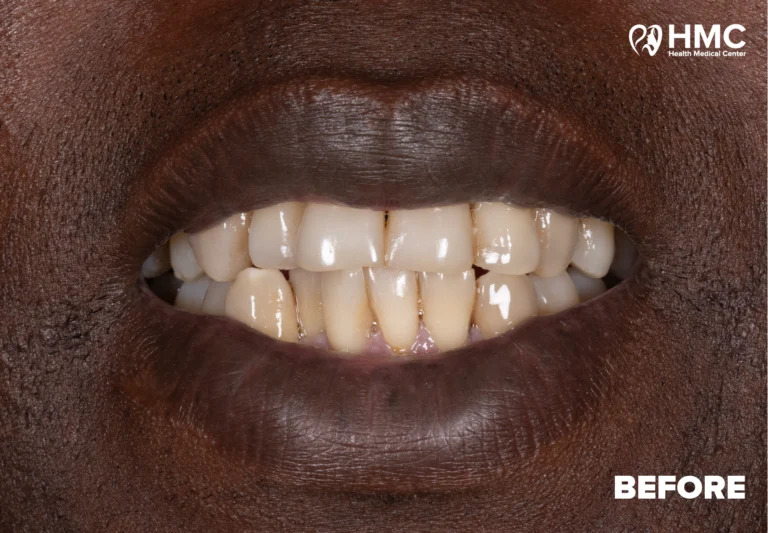
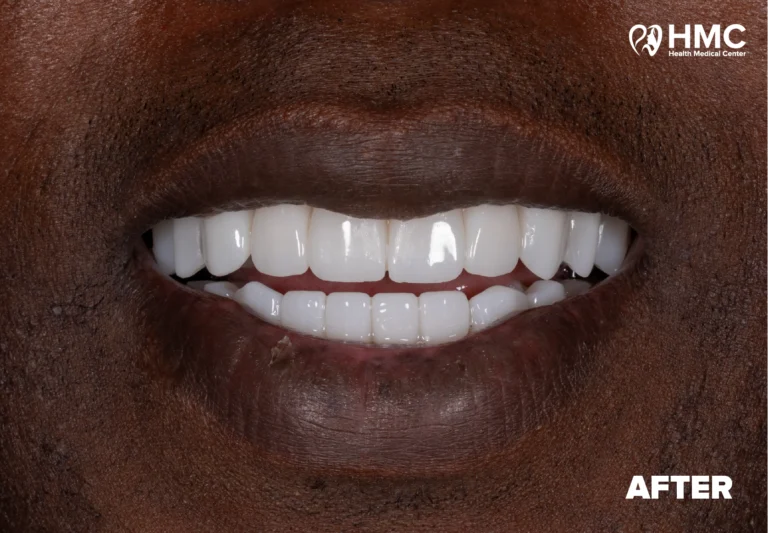
Dental Smile Makeover
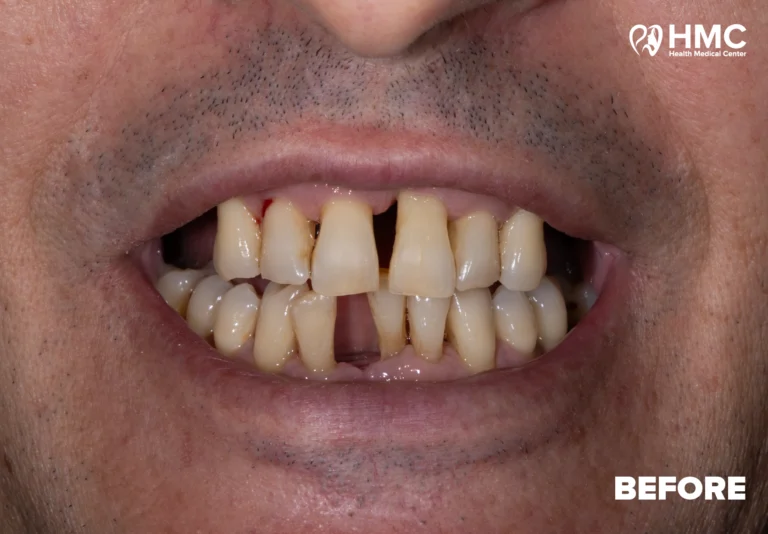
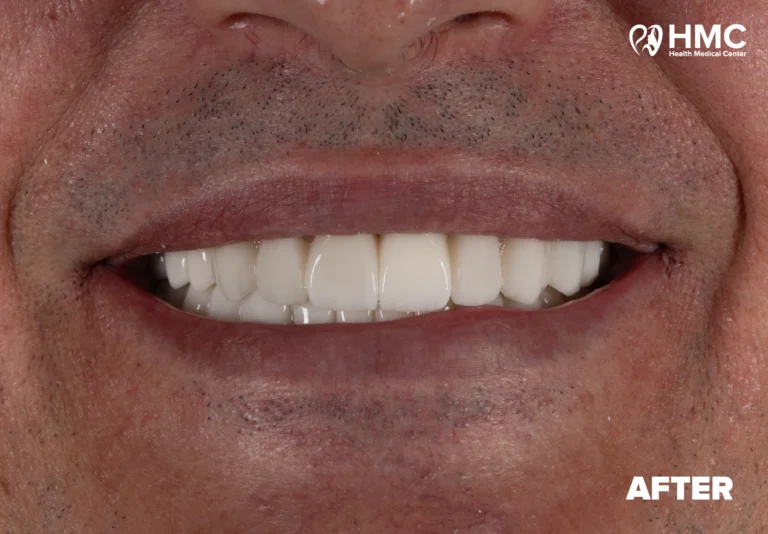
Complete Dental Makeover
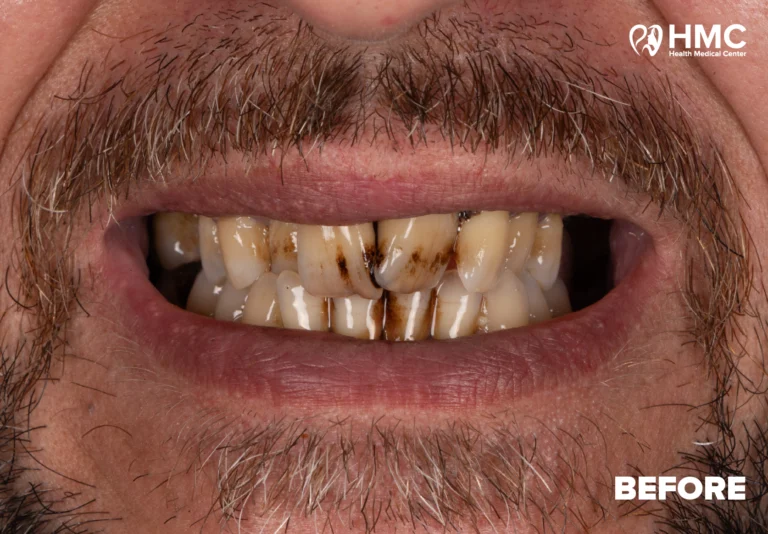
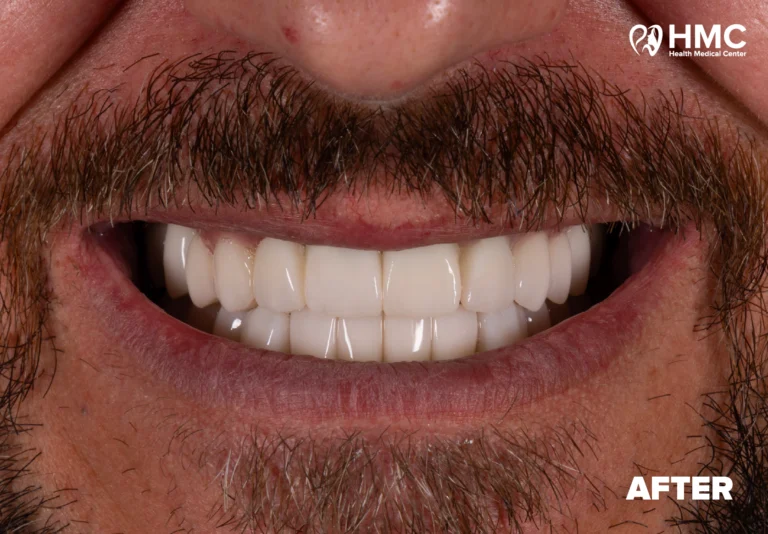
Redesigned Smile
Explore our full range of treatments
Your bite is assessed, refined and the crown polished. It matters more than patients expect: a crown even slightly high changes how the whole jaw closes.
Modern high-translucency zirconia transmits light much like natural enamel. The shade is matched to your surrounding teeth, and surface texture is built in during finishing so the crown doesn't read as flat against its neighbours.
Preparation is carried out under local anaesthetic. Mild sensitivity between preparation and final fitting is normal and settles once the permanent crown is cemented.
Yes. Zirconia handles normal chewing forces comfortably, including on molars. Take it easy for the first day, and treat crowns as you would natural teeth — no ice, no opening packaging with your teeth.
Properly polished zirconia is gentle on the teeth it bites against. Finishing quality matters here, which is why the polish is part of the fitting appointment rather than an afterthought.
Several crowns can be prepared and fitted in the same trip. Your plan will confirm the schedule based on how many teeth are involved and whether any need preparatory treatment first.
Zirconia is metal-free and highly biocompatible, which makes it a common choice for patients who've had a reaction to metal-based restorations. Tell us at consultation and we'll plan around it.
Four to seven days for most cases. We'll give you the exact schedule with your treatment plan so you can book flights with confidence.
You'll leave with written care instructions and a contact number that stays available to you. If anything comes up once you're home, call us and we'll advise you directly — including on what a local dentist can handle and what's worth a return visit.
4.9
/ 1006 reviews
“Such an amazing service and definitely money's worth. Would recommend anyone looking for a safe practice for hygiene, cleaning and a normal zirconia crown. My assigned dentist was so gentle, understanding and patient, yet professional. Glad I chose HMC!”
“I recently completed an extensive full-mouth restoration - 25 zirconia crowns and 4 root canal re-treatments. The crowns are stunning, look incredibly natural, and feel strong and comfortable. The entire experience was professional and truly transformative.”
Send us a few details and our patient coordinators will come back within 24 hours with a treatment plan, timeline, and price. No obligation.