



When it comes to improving the appearance and function of your smile, dental veneers and crowns are two of the most commonly discussed treatments. Although both can improve the shape, colour and overall appearance of teeth, they are designed for different purposes and involve different levels of tooth preparation.
Understanding the difference between veneers and crowns can help you know which treatment may be more suitable for your dental needs.
What Are Dental Veneers?
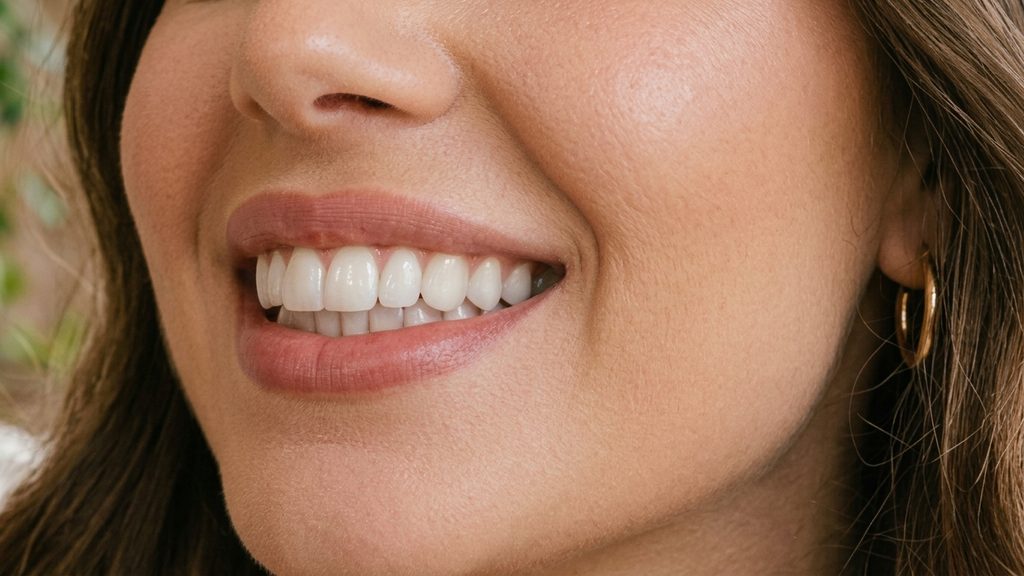
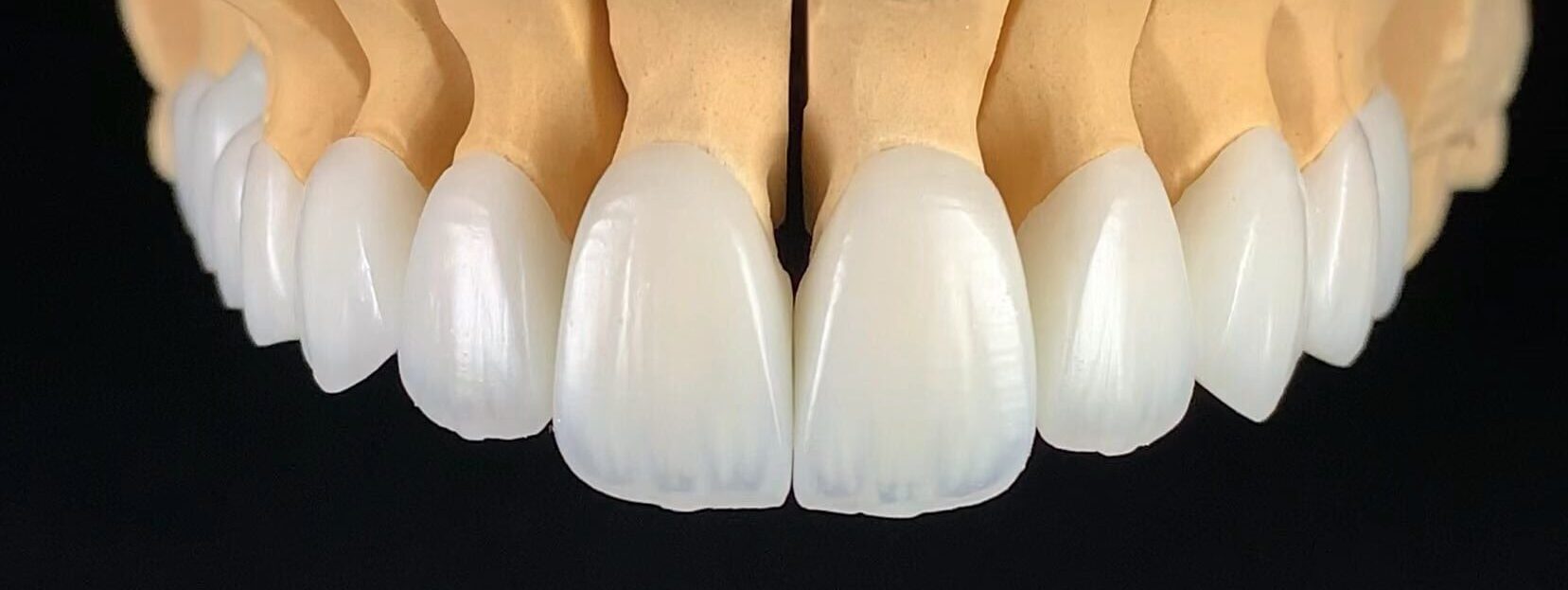
Dental veneers are thin, custom-made shells that are bonded to the front surface of a tooth. They are primarily used for cosmetic improvements and can change the colour, shape, size and proportions of teeth.
Veneers can be used to address concerns such as:
- Discoloured or stained teeth
- Small chips or cracks
- Minor gaps between teeth
- Uneven or irregular tooth shapes
- Slightly worn teeth
- Cosmetic imperfections
- Mild changes in tooth proportions
Because veneers cover only the visible front surface of the tooth, they generally require less tooth preparation than a full dental crown.
Depending on the patient’s needs, veneers can be made from materials such as porcelain or ceramic, offering a natural-looking appearance and long-term aesthetic results with appropriate care.
What Are Dental Crowns?
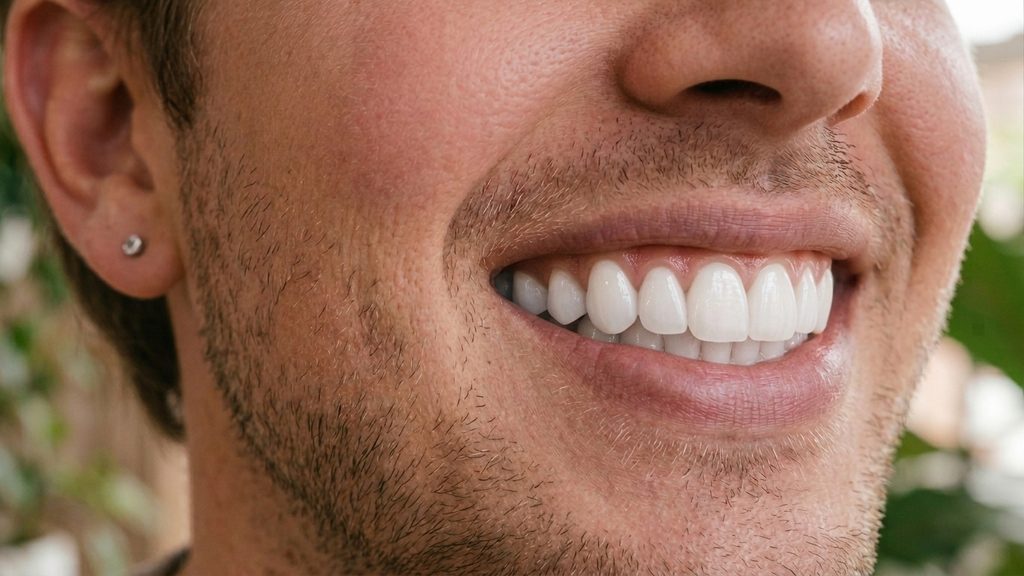
A dental crown, sometimes called a dental cap, covers the entire visible portion of a tooth above the gum line. Crowns are used not only to improve aesthetics but also to restore teeth that have been significantly weakened or damaged.
Crowns may be recommended for teeth affected by:
- Extensive decay
- Large fillings
- Significant fractures
- Severe tooth wear
- Structural damage
- Previous root canal treatment
- Certain functional or bite-related problems
Unlike veneers, crowns surround the tooth and provide structural reinforcement when a substantial amount of natural tooth structure has been lost.
Veneers vs. Crowns: The Main Difference
The simplest way to understand the difference is:
Veneers are primarily designed to improve the front appearance of a tooth, while crowns cover and protect the entire visible tooth.
| Feature | Veneers | Crowns |
|---|---|---|
| Main purpose | Primarily cosmetic | Cosmetic and restorative |
| Coverage | Front surface of the tooth | Entire visible tooth |
| Tooth preparation | Usually more conservative | Generally requires more reduction |
| Suitable for | Aesthetic imperfections | Damaged or weakened teeth |
| Typical material | Porcelain/ceramic | Zirconia, ceramic, porcelain or other dental materials |
| Structural protection | Limited | Higher |
| Appearance | Highly aesthetic | Highly aesthetic and functional |
When Are Veneers Usually Recommended?
Veneers may be considered when the natural tooth is generally healthy and the main concern is its appearance.
For example, if a patient has healthy teeth but is unhappy with their colour, shape or minor spacing, veneers may provide an aesthetic solution without covering the entire tooth.
However, veneers are not suitable for every patient. A dentist should first evaluate the condition of the teeth, gums and bite before recommending treatment.
When Are Crowns Usually Recommended?
Crowns are generally considered when a tooth needs greater structural protection.
A tooth that has undergone a root canal, has extensive decay, contains a large restoration or has suffered significant damage may require a crown to restore its strength and function.
Crowns can also be part of a larger full-mouth or smile rehabilitation, depending on the patient’s dental condition and treatment goals.
Veneers vs. Crowns: Which Looks More Natural?
Both modern veneers and crowns can be designed to look highly natural.
The final appearance depends on several factors, including:
- The quality of the dental laboratory work
- The selected material
- Tooth preparation
- Shade selection
- Tooth shape and proportions
- The patient’s existing teeth and gums
- The dentist’s treatment planning
High-quality ceramic and zirconia restorations can be carefully designed to replicate the appearance of natural teeth.
How Long Do Veneers and Crowns Last?
The lifespan of either treatment depends on factors such as oral hygiene, bite forces, diet, material, quality of placement and regular dental care.
With good oral hygiene and appropriate maintenance, both veneers and crowns can provide long-term results. They should still be monitored during routine dental examinations.
Patients who grind or clench their teeth may require additional protection, such as a night guard, to reduce excessive forces on their restorations.
Can Veneers Be Placed on Root Canal-Treated Teeth?
In some cases, a tooth that has undergone root canal treatment may be restored with a veneer, but this depends on how much healthy tooth structure remains and whether the tooth is structurally strong enough.
If the tooth has been significantly weakened, a dental crown may provide more appropriate protection.
The decision should be made following a clinical and radiographic assessment.
Can You Replace Crowns With Veneers?
Veneers and crowns serve different purposes, so replacing an existing crown with a veneer is not always possible. If the underlying tooth has already been substantially prepared for a crown, there may not be enough natural tooth structure to support a veneer.
Your dentist should assess the existing restoration and the remaining tooth structure before recommending any replacement.
Veneers or Crowns: What Is Right for You?
There is no universal answer because the appropriate treatment depends on the condition of your teeth and your goals.
Veneers may be suitable when:
- Your teeth are structurally healthy
- Your main concerns are cosmetic
- You want to improve tooth colour or shape
- Only limited tooth preparation is appropriate
Crowns may be suitable when:
- A tooth is significantly damaged
- There is extensive decay or a large restoration
- The tooth has undergone root canal treatment
- More structural protection is required
- Both function and aesthetics need to be restored
A dental consultation is the best way to determine which option is appropriate for your individual situation.
Veneers vs. Crowns at Health Medical Center
At Health Medical Center in Tirana, every cosmetic and restorative treatment begins with an assessment of your individual dental condition and smile goals.
Our dental team evaluates factors such as tooth structure, gum health, bite, existing restorations and aesthetic expectations before creating a personalised treatment plan.
Whether veneers or crowns are recommended, the goal is to achieve a result that combines aesthetics, function and long-term oral health.
Frequently Asked Questions
Do crowns damage teeth more than veneers?
Crowns generally require more tooth preparation because they cover the entire visible tooth. Veneers usually require less preparation, although the exact amount depends on the individual case.
Are veneers stronger than crowns?
Veneers are designed primarily for aesthetic correction, while crowns are designed to cover and protect the entire tooth. For a significantly weakened tooth, a crown generally provides greater structural coverage.
Can I get veneers instead of crowns?
Sometimes, but not always. The choice depends on the amount and condition of the remaining natural tooth structure, the bite and the reason the tooth needs restoration.
Which lasts longer, veneers or crowns?
Both can provide long-term results when properly planned, placed and maintained. Their longevity depends on oral hygiene, material, bite forces, habits and regular dental care.
Final Thoughts
Although veneers and crowns can both transform a smile, they are not interchangeable treatments. Veneers primarily address the appearance of otherwise suitable teeth, while crowns are used when a tooth requires more extensive coverage and protection.
The right choice should always be based on a professional dental assessment rather than aesthetics or price alone.
Book a consultation with Health Medical Center to find out whether veneers or crowns are appropriate for your smile.