

Is dental work in Albania safe? For most patients, yes – as long as you choose the clinic as carefully as you would at home. The real risks in dental tourism rarely come from the country itself. They come from rushed treatment plans, unnamed materials and clinics that disappear once you fly home. This guide looks honestly at both sides: what official travel advice says about Albania, how dentistry is regulated here, where dental work abroad actually goes wrong, and how to check any clinic before you book.
The Short Answer
- The country: UK travel advice says crime targeting foreigners is rare. The US rates Albania at Level 2, “exercise increased caution” – the same level it gives Italy.
- The profession: dentists in Albania are overseen by the Order of Dentists of Albania, a public body whose role includes licensing and protecting patients.
- The real risk: poorly planned, rushed or over-aggressive treatment – which can happen in any country, and which you can largely screen out with the right questions.
Is Albania Safe to Visit?
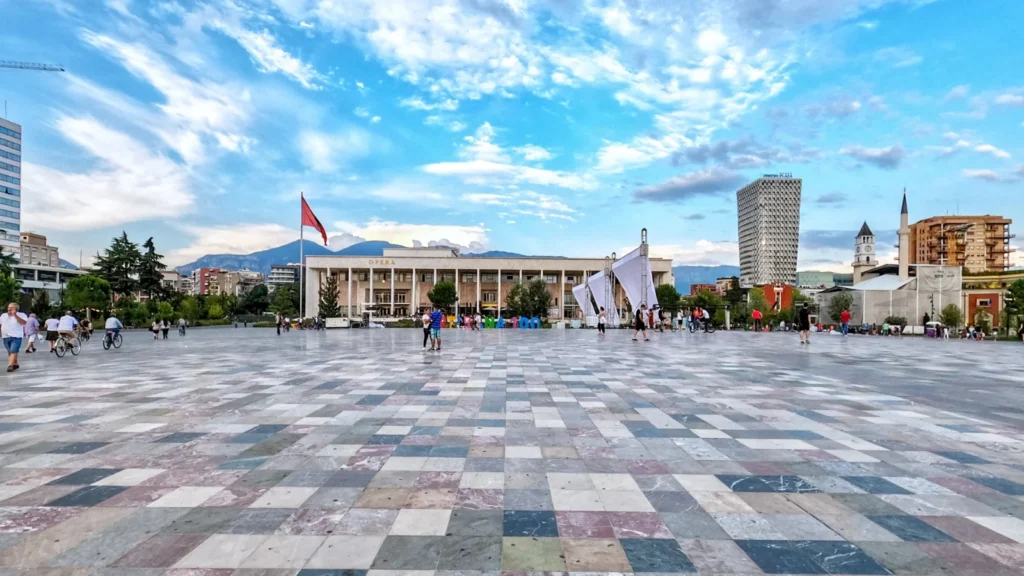
Albania is an EU candidate country, in accession negotiations since 2022, and Tirana is a compact, walkable capital. According to the UK Foreign Office, there is crime in some areas, but reports of crime targeting foreigners are rare. The main everyday risk is the same as in most European cities: pickpockets in busy tourist spots, on public transport and at the airport.
The US State Department rates Albania at Level 2 (“exercise increased caution”) due to crime. For context, that is the same level the US currently applies to Italy, for terrorism. UK advice also describes Albanian roads as hazardous, which is one more reason to use organised transfers rather than driving yourself – we arrange airport transfers for our patients.
How Dentistry Is Regulated in Albania
Dentists in Albania work under the Order of Dentists of Albania (Urdhri i Stomatologëve), a public body that licenses its members and is responsible for protecting patients from poor treatment. HMC is a member clinic.
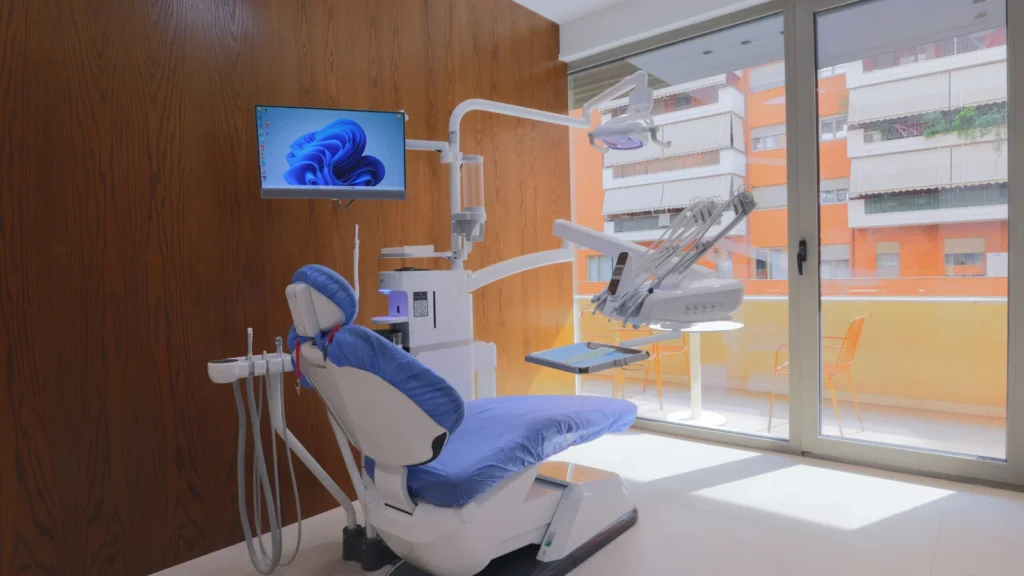
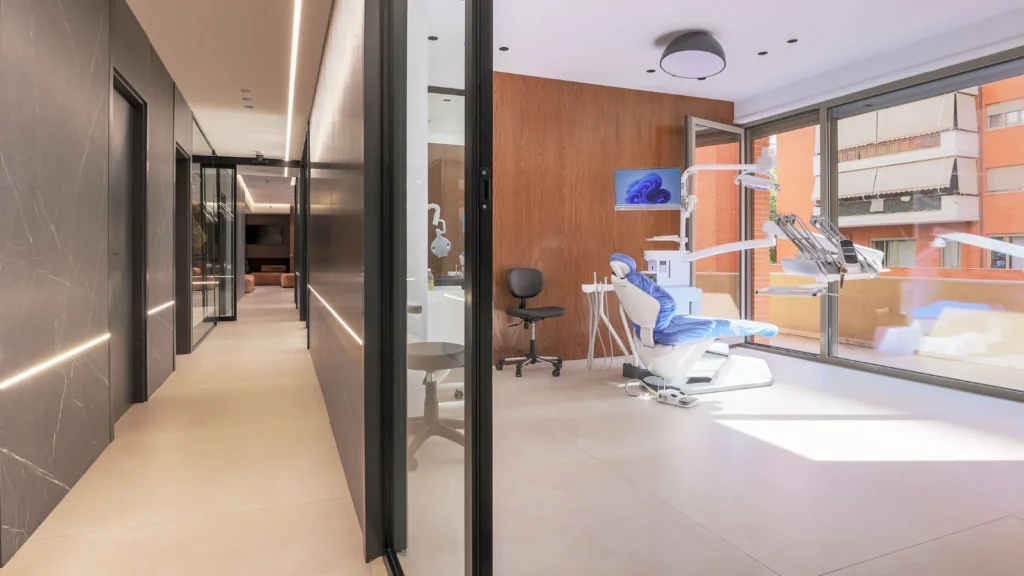
Materials matter as much as the person holding the drill. Ask any clinic which brands it uses, and whether they are CE-marked for the European market. At HMC we place MegaGen and Straumann implants, make crowns from Zirkonzahn zirconia and use Ivoclar Vivadent materials for veneers and E.max – the same systems used in clinics in Milan, Munich and Zurich – and the implant brand is written on your quotation.
Where Dental Tourism Actually Goes Wrong
The concerns are not imaginary. In a 2022 British Dental Association survey, 86% of UK dentists who had examined patients treated abroad said they had seen problems afterwards. The most common were treatment that had already failed, pain, and work that was poorly carried out – with crowns the most frequent issue, followed by implants.
Looking at what goes wrong, the pattern is consistent, and it is about how the treatment is done rather than where:
- Over-treatment: healthy teeth filed down for crowns when veneers – or nothing at all – would have done. This is the story behind most “Turkey teeth” headlines.
- Rushed timelines: implants loaded with final teeth before the bone has healed, or a full smile makeover squeezed into a few days.
- Skipped foundations: crowns or implants placed on top of untreated gum disease or decay.
- No aftercare: nobody to call once you are home, and no clear answer on who pays for fixes.
How to Check Any Clinic Before You Book
The UK General Dental Council and Ireland’s Dental Council publish guidance for patients considering treatment abroad. Their advice boils down to these checks – use them with us, and with anyone else you are considering:
- Is the dentist registered with the country’s regulator, and who handles complaints?
- Were you properly assessed – with X-rays or a 3D scan and a full medical history – before you received a treatment plan?
- Who exactly will treat you, and what are their qualifications?
- Which implant brand and which materials will be used, and are they written on the quotation?
- Does the timeline match the biology? Implants need 3 to 6 months to fuse with bone before the final teeth go on.
- What guarantee is offered, and what aftercare is available once you are home?
- Can you communicate easily with the team, and will you get copies of your records?
- Did anyone pressure you to decide on the spot? Take your time, and talk to your own dentist before you commit.
What Safe Treatment Looks Like at HMC
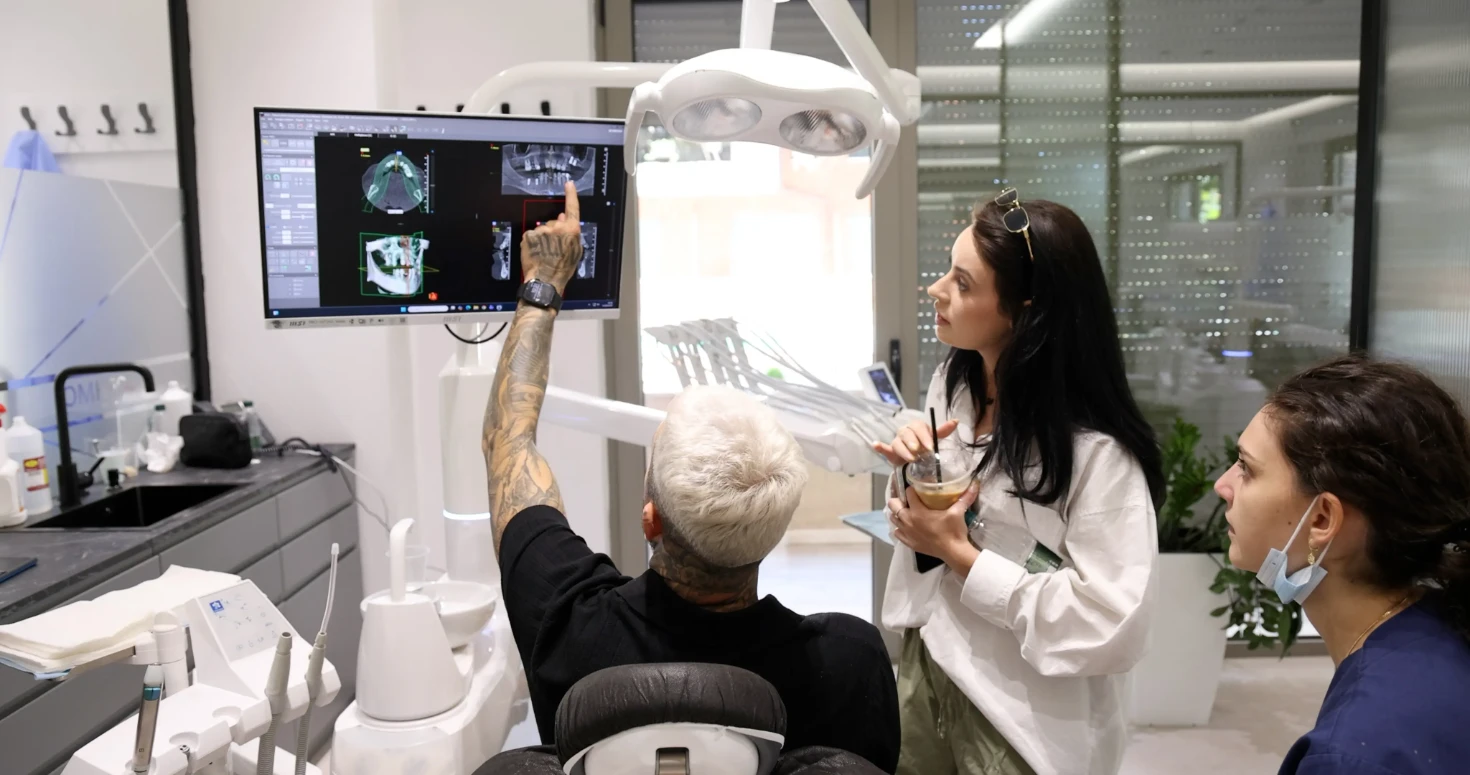
Every plan starts with an assessment. Our free online consultation lets you send photos and any X-rays from home; our clinical team reviews them and comes back with a preliminary plan and a written quotation. On arrival, implant cases are planned from a 3D CT scan rather than estimated from a flat X-ray.
We tell you when a smaller treatment is the better option – a filling instead of a crown, a veneer instead of a full crown, four implants instead of six. Implant treatment is planned over two visits because healing cannot be rushed: you leave the first visit with fixed provisional teeth and come back for the final bridge. And our team works in English, Italian, Spanish, French and Greek, so nothing gets lost in translation. If you are planning the trip itself, our guide for patients travelling from the UK, Ireland and the USA covers flights, passports and how long to stay.
Costs
Lower prices in Albania come from lower operating costs – rent, salaries and overheads – not from cheaper materials. These are HMC’s starting prices:
| Treatment | Starting price at HMC |
|---|---|
| Single implant | from €400 |
| All-on-4 (per arch) | from €3,040 |
| All-on-6 (per arch) | from €3,840 |
| Full acrylic denture (per arch) | from €200 |
What’s Included
- Online consultation — free review of your photos and X-rays, with a preliminary plan and written quotation.
- 3D planning — implant cases planned from a 3D CT scan of your real bone.
- Named materials — implant brand and crown material stated on your quotation.
- Implant warranty — implants placed at HMC carry a 5-year warranty.
- Aftercare — written care instructions and a direct contact for questions once you are home.
Frequently asked questions
Is Albania safe for tourists?
Official UK advice says reports of crime targeting foreigners are rare, and the US rates Albania at Level 2 (“exercise increased caution”), the same level it gives Italy. Take the usual city precautions against pickpockets and avoid driving yourself if you are not used to local roads.
Are dentists in Albania qualified and regulated?
Yes. Dentists are overseen by the Order of Dentists of Albania, a public body that licenses its members. HMC’s dentists are EU-trained, and you can ask who will treat you and what their qualifications are before you book.
Why is dental treatment in Albania cheaper?
Because running a clinic costs less – rent, salaries and overheads are lower than in Western Europe. The implant systems and ceramics we use are the same international brands used in clinics in Italy, Germany and Switzerland.
What happens if I have a problem after I get home?
You leave with written aftercare instructions and a direct contact at the clinic, and implants placed at HMC carry a 5-year warranty. If something does not feel right, contact us first so we can assess it.
Is Albania in the EU?
Not yet. Albania has been an EU candidate country since 2014 and has been in accession negotiations since 2022.
Sources
- GOV.UK — Albania travel advice: safety and security
- U.S. Department of State — Albania travel advisory
- U.S. Department of State — Italy travel advisory
- Council of the European Union — Albania – EU accession
- Tirana Times — Proposed hike in dental services fees causes stir (on the Order of Dentists)
- Dental Tribune, 2022 — Dental tourism among UK patients is on the rise, BDA reports
- General Dental Council — Going abroad for your dental care
- Dental Council of Ireland — Choosing your dentist – home or abroad